
Book your stay

Epigenetics is the science that studies how lifestyle switches our genes on or off without changing our DNA. Research over the past fifteen years shows that physical activity is one of the most powerful levers we have. After just one training session, the chemical signals that regulate energy genes change in the muscles of sedentary people. After a few months of regular exercise, people who do aerobic or interval training show longer telomeres, the caps that protect chromosomes, and learn to respond to stress by producing less cortisol. All of this applies to any adult, at any age, and happens throughout the body, from the muscles to the cells of the blood. How can this knowledge be turned into everyday choices? The first step is to understand which physical activity suits one’s health, fitness level and recovery times. This is what happens in the Long Life Formula® Method at Lucia Magnani Health Clinic, which integrates medical assessment, exercise and nutrition.
DNA is a recipe book, epigenetics chooses the recipes
Imagine DNA as a great book of recipes. Every cell in the body has exactly the same book, with about twenty thousand recipes, which are the genes. Yet an eye cell and a muscle cell are very different. How is that possible?
The answer is that each cell uses only some of the pages. The others stay closed. Epigenetics is the set of bookmarks and padlocks that decide which pages can be opened and which cannot.
The most studied padlock is called methylation. It is a small chemical group that attaches to the DNA, right at the start of a gene. When it is there, the gene works little. When it is removed, the gene can get to work. The book does not change; only what the cell is able to read changes.
And here is the interesting part: these padlocks move according to how we live. What we eat, how much we sleep, how much we move and how stressed we are all leave a mark.
What happens to your genes when you move
In 2012 a group of researchers at the Karolinska Institutet in Stockholm carried out a simple and surprising experiment. They asked sedentary men and women to cycle just once, then analysed a small sample of their muscles.
After that single session, the padlocks on the muscle DNA had decreased. In particular, some genes involved in producing energy had “opened”. One of these is called PGC-1α and is a sort of site foreman: it gives the order to build new mitochondria, the small power stations of the cells. And the more intense the training, the stronger the effect.
Think of the shutters of the shops along a street in the morning. Movement is the signal that raises the right shutters, and the muscle opens for business.
Muscles have a memory too
Anyone who has stopped training for a while knows it: when you start again, fitness returns faster than the first time. Science has found a possible explanation inside the DNA as well.
British researcher Adam Sharples and his group had some people train, then stop until their muscles returned to how they were before, and finally train again. During the break, some genes remained “unlocked”, as if the muscle remembered the work it had done. In the second cycle, those genes responded better. The same phenomenon was also observed with high-intensity interval training.
It is a bit like riding a bicycle after years. The legs are rusty, but the body has not forgotten how to do it.
Telomeres: the caps on shoelaces
Look at the laces of your shoes. At the ends there is a plastic cap that stops the lace from fraying. Telomeres do the same thing for chromosomes, the “threads” around which our DNA is wound.
Each time a cell divides, the cap gets a little shorter. When it becomes too short, the cell stops working well and ages. For this reason, telomere length is used as one of the indicators of biological age, which can differ from the age written on the identity card.
Fortunately there is a “repairer”: an enzyme called telomerase, able to partly rebuild the cap. Lifestyle can make this repairer more or less active.
How much exercise is needed to protect telomeres
An American study published in 2017 analysed data from 5,823 adults. On average, telomeres shorten by about 15 “building blocks” of DNA for each year of age. The most active people had telomeres so long that they corresponded to about 9 fewer years of cellular ageing compared with sedentary people.
There is, however, an important detail. To be among the “very active”, about 30 minutes of running a day for women and 40 for men were needed, five days out of seven. People who moved little or moderately showed no great difference from those who stayed still. The message is clear: regularity matters, and so does effort.
A German study published in 2019 in the European Heart Journal went a step further. The researchers divided some people who previously did no sport into four groups. For six months one group did light running, one interval training, one exercises on strength machines, and the last made no change. Everyone trained three times a week for 45 minutes.
In the end, telomerase had doubled and telomeres had lengthened in the running and interval groups. In the strength group, they had not.
This does not mean that weights are useless. Strength protects bones, joints and balance, and helps people stay independent in old age. Another study showed that those who, after a period of training, go back to being completely sedentary find themselves a year later with shorter telomeres than before. The point is that, for telomeres, aerobic work seems to have an extra gear. The ideal is to combine the two.
Cortisol: the body’s fire alarm
Cortisol is a hormone produced by the adrenal glands. It is not an enemy. In the morning it helps us wake up, and when there is danger it gives us the energy to react.
It works like a fire alarm. If it sounds when there is really smoke, it saves us. If it always sounds, even for burnt toast, in the long run it does damage. Chronic stress, made of work, worries and short nights, keeps the alarm on for weeks or months.
And here we come back to telomeres. In 2004 researchers Elissa Epel and Elizabeth Blackburn (the latter a Nobel Prize winner precisely for her work on telomeres) observed that the most stressed women had shorter telomeres, as if they had aged at least ten years more. In the laboratory, other researchers have seen that cortisol slows telomerase in immune system cells. In practice, stress that never switches off hinders the work of the repairer.
How sport teaches the body to manage cortisol
It seems a paradox, because training itself is a form of stress. A 2008 study measured it precisely. After 30 minutes of light exercise, such as a brisk walk during which you can still chat, cortisol had dropped a little. At medium intensity it had risen by about 40%. At high intensity, when it is hard to talk, by more than 80%.
This increase, however, is brief and controlled. And that is exactly the secret. Think of evacuation drills at school: sounding the alarm to practise, in an orderly way, prepares everyone to react calmly in a real emergency. In the same way, a body that trains regularly learns to switch the alarm on when needed and to switch it off quickly.
Some studies confirm this. Faced with a stressful task, such as speaking in public in front of a panel, trained athletes produced less cortisol and had a calmer heartbeat than sedentary people. In a Swiss study, 12 weeks of running were enough to reduce the stress response in men who previously did not train. In fairness, not all research finds the same effect on cortisol, while the effect on the heart is more consistent.
There is also a shield effect. A 2010 study followed women with a lot of stress in everyday life. Among the sedentary ones, more stress meant shorter telomeres. Among those who did intense physical activity, this link disappeared. Movement seemed to protect cells from the damage of stress. A later experiment, on people caring for a sick relative, showed that about 40 minutes of aerobic activity three to five times a week reduced perceived stress and was associated with longer telomeres compared with those who did not train.
When sport becomes too much
If training is always very hard and rest is scarce, the alarm risks staying on even with sport. Tiredness that does not go away, disturbed sleep, nervousness and declining performance are signs not to ignore.
Recovery is part of training, not a break from it. Sleeping well, eating adequately and alternating intense and light days allows the body to turn effort into benefit. People who already have high stress levels often benefit more from moderate, steady activity than from exhausting sessions.
Can biological age be measured?
Today science uses so-called epigenetic clocks. By reading the padlocks present at thousands of points in the DNA, they estimate how “old” the body is from a biological point of view. Several recent studies, involving thousands of people, link higher physical activity to a younger biological age.
These are promising tools, but still largely used in research. Their value for the individual must always be interpreted by a doctor, together with other tests.
What to take home
Our DNA is not a destiny written once and for all. With everyday choices we can influence which genes are at work, protect telomeres and help the body manage stress. International guidelines for adults recommend at least 150-300 minutes a week of moderate activity, or 75-150 minutes of vigorous activity, plus two muscle-strengthening sessions. Studies on telomeres suggest that getting closer to the upper end of these values, regularly, makes the difference.
In practice:
It is the set of chemical signals that tell genes when to work and when to stay still. The DNA stays the same, but lifestyle changes the way it is read. It is like having the same recipe book and deciding every day which pages to open.
Sport does not change the “letters” of DNA, but it changes the signals that sit on top of them. After just one session, genes linked to energy production open up in the muscles. With regular training, these changes become more stable.
They are the ends of chromosomes and serve to protect them, like the cap on a shoelace. They shorten a little each time a cell divides. Chronic stress, smoking, a sedentary lifestyle and inflammation can speed up this shortening.
Studies point above all to aerobic activity, such as light running, and interval training. In a six-month study, both doubled telomerase activity, while weight exercises alone did not have the same effect. Strength remains important for muscles and bones all the same.
In studies, the best results are seen with three 45-minute sessions a week for at least six months, or with about 30-40 minutes of running five days a week. A little movement now and then seems not to be enough. Consistency is the key.
During intense exercise cortisol rises for a short time, and this is normal. In the long term, people who train regularly tend to respond to life’s stresses by producing less cortisol and with a calmer heartbeat. Light activity, such as a walk, can lower it even during the session.
Yes, if workouts are always very intense and recovery is insufficient. In these cases the body stays on alert. Alternating demanding days with light days, and sleeping enough, helps to avoid it.
Many benefits diminish over time, and those who go back to being completely sedentary can also lose the advantage on telomeres. However, muscles retain an epigenetic memory: some genes stay “ready” and, when you start again, the body responds faster.
Chronic stress is associated with shorter telomeres. In a well-known study, the most stressed women had cells that looked at least ten years older. The good news is that regular physical activity seems to attenuate this effect.
No. The most important studies on telomeres and cortisol were carried out precisely on people who did not previously train, and the changes were seen within a few months. The important thing is to start gradually, after a medical check-up.
The Long Life Formula® Sport Programme was created for this.
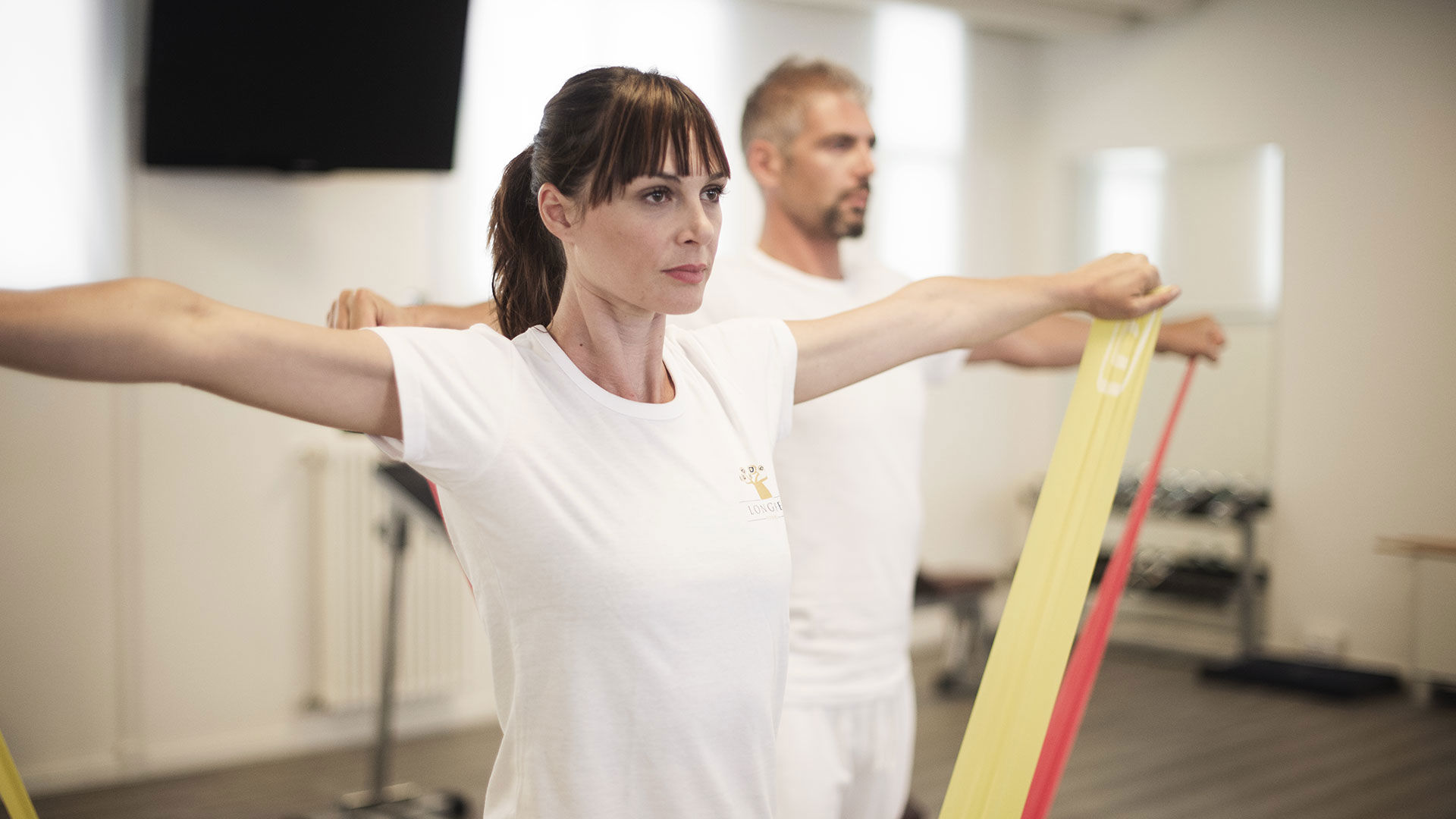
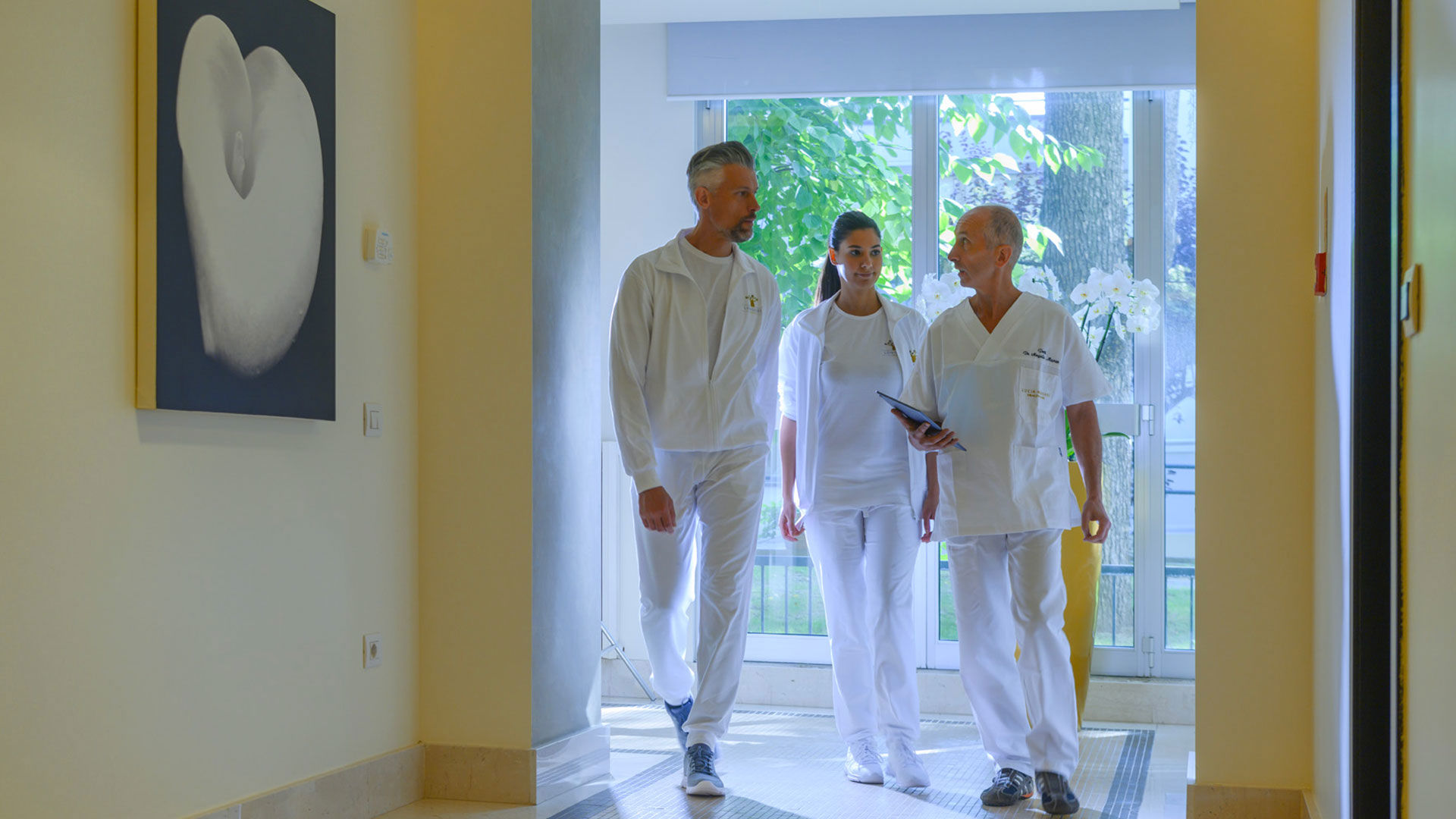
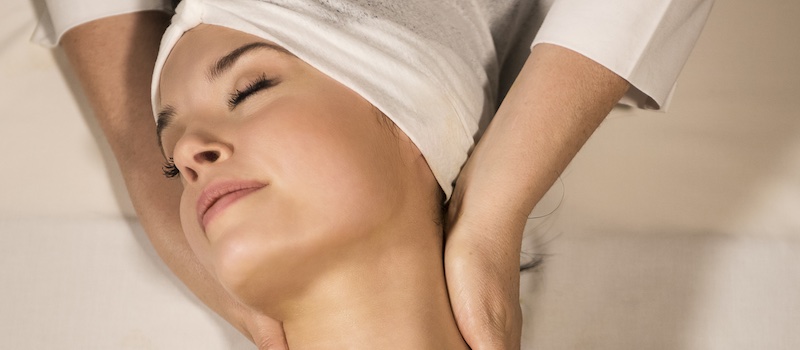
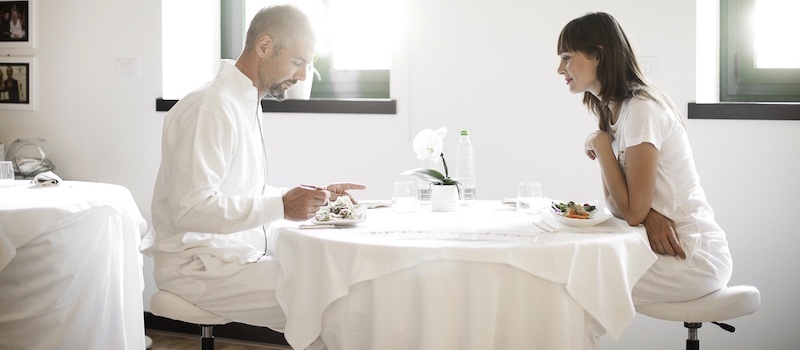
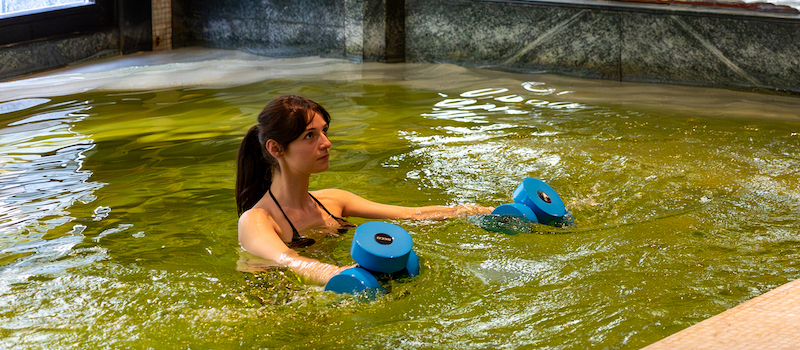
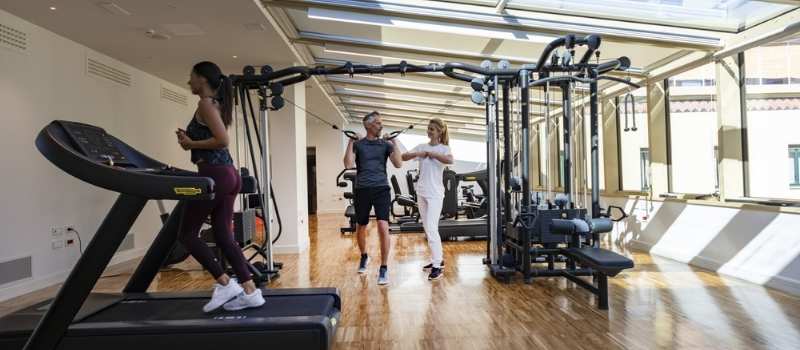
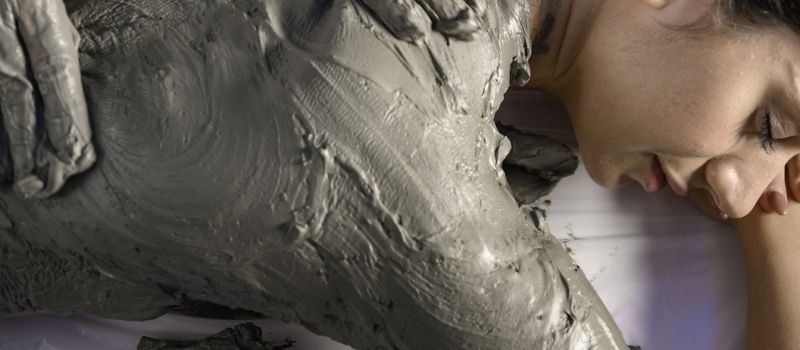
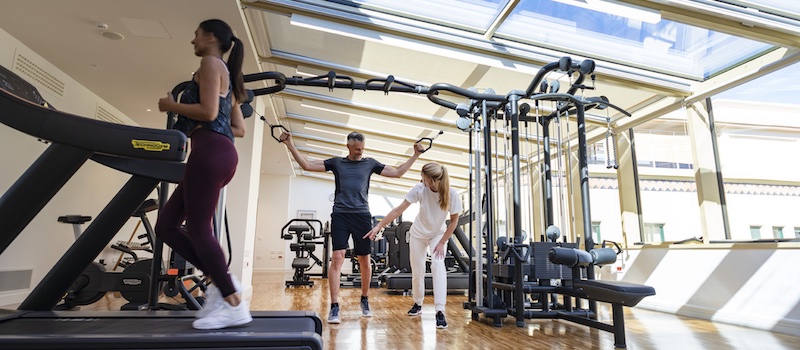
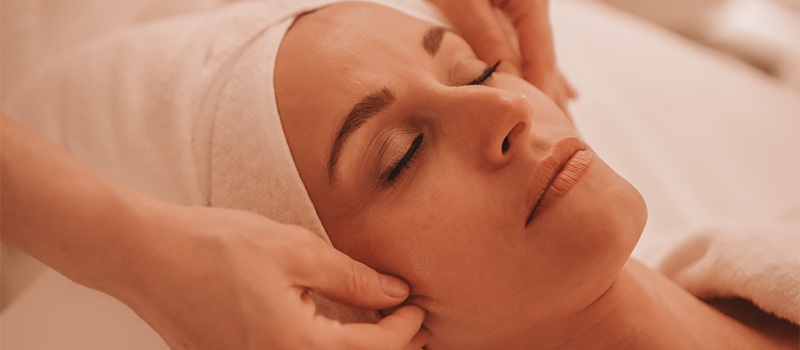
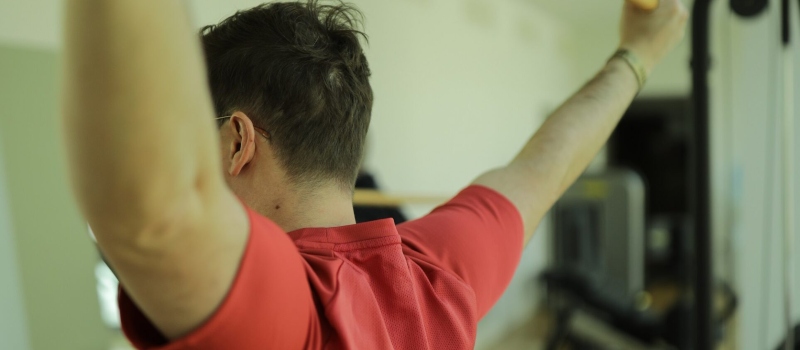
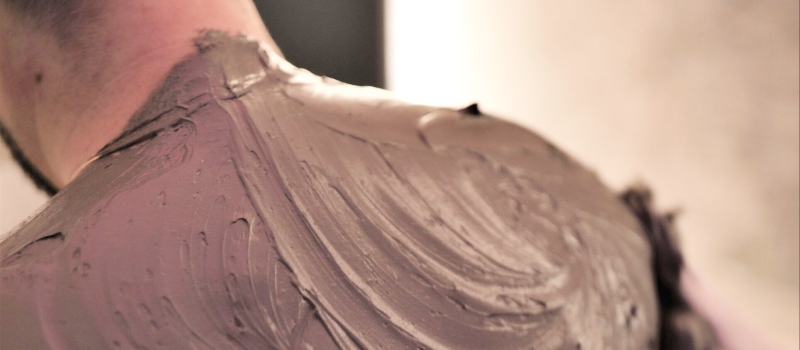
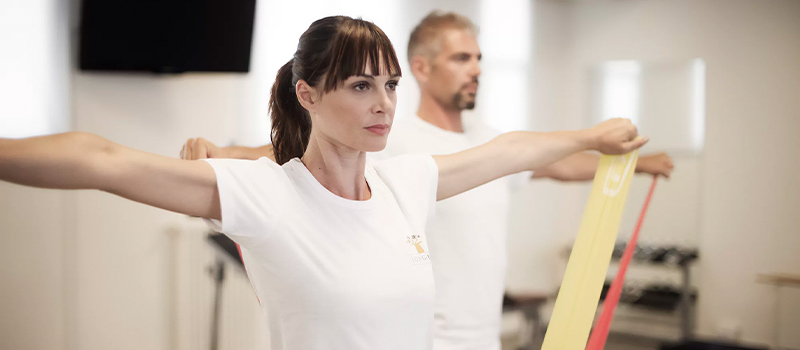
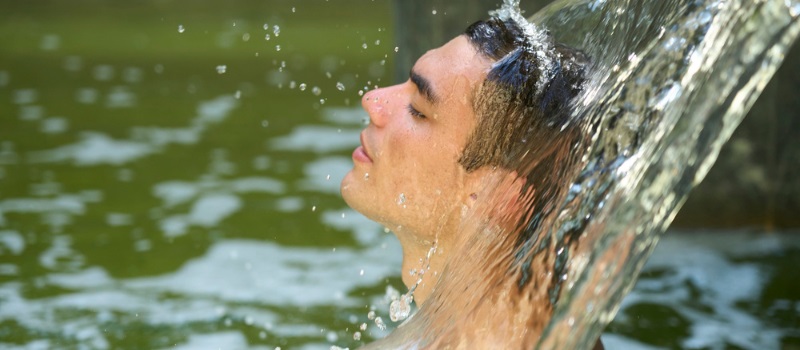
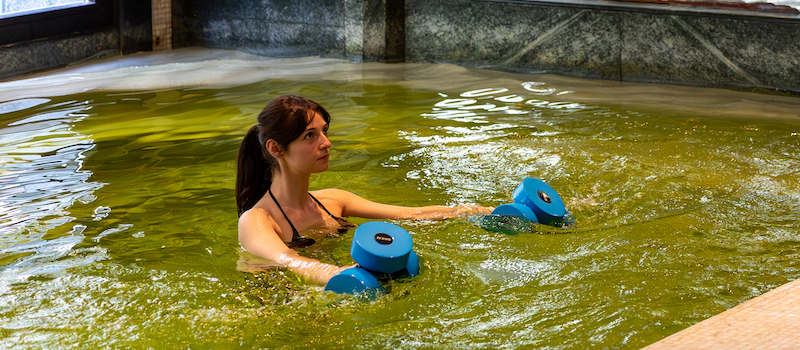
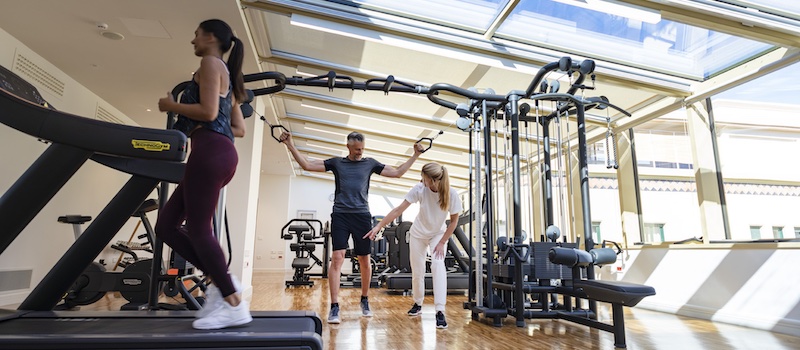
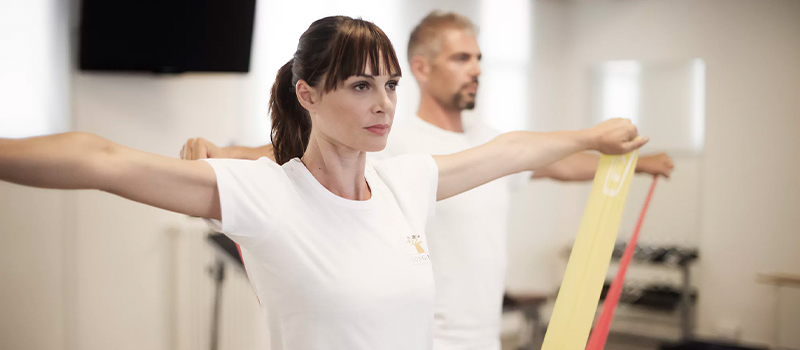
It begins with a complete medical check-up, including electrocardiogram, ultrasound scans, colour Doppler ultrasound and a physiatry consultation, so that you can train safely. It continues with an oxidative stress analysis and a nutritional assessment with bioimpedance analysis. Every day, two 30-minute sessions with a personal trainer await you, in the thermal water and at the Health Performance Training Center, together with postural education. Recovery is looked after with a daily massage and access to the Health Spa, with thermal pools, sauna and Turkish bath.
You will go home knowing what your ideal training is and how to continue it in everyday life.