
Book your stay

Antioxidants help skin cells defend themselves against oxidative stress, a process that can contribute to the appearance of wrinkles and age spots. Studies in adults point to possible benefits from some products, especially those containing vitamin C, although the evidence remains limited. Daily sun protection is the best-documented preventive measure. Scientific studies back this up, showing how antioxidants help limit the cellular damage caused by oxidative stress. All of this is well known and clear to the researchers who, for over 15 years, have been caring for skin health, our largest organ, through the Evergreen Long Life Formula® programme.
As the years go by, the skin changes, just like the rest of the body. It becomes thinner, loses elasticity and can look less radiant. The first wrinkles appear and, at times, some age spots become more visible. In particular, cell renewal slows down.
These changes depend partly on age and genetics. It is important to remember, however, that daily habits also play a major part. Sun exposure, smoking and pollution can speed up some of the processes responsible for skin ageing.
One of these processes is oxidative stress, which occurs when more oxidising substances build up in the cells than the body can control with its own defences.
Research has shown that oxidative stress takes part in the mechanisms of skin ageing, especially when the skin is repeatedly exposed to the sun's ultraviolet rays.
To understand the relationship between skin ageing and oxidative stress, it helps to know what free radicals are.
Free radicals are highly reactive molecules that the body produces normally during its activities. In controlled amounts, they also take part in useful cell functions. The problem arises when they increase too much and the body's natural defences become insufficient.
In the skin, an excess of oxidising substances can damage cell membranes, proteins and DNA, the material that holds the information cells need to function. Among the structures affected is collagen, a protein that helps keep the skin firm and resilient. Ultraviolet rays can promote the production of free radicals and activate enzymes that break down collagen.
Over time, this damage can contribute to the formation of wrinkles and loss of elasticity. The phenomenon is called photoageing, that is, skin ageing caused by exposure to sunlight.
Antioxidants are substances that help control the action of oxidising molecules. Some are produced directly by the body, while others come from food. Among the best known are vitamin C, vitamin E, carotenoids and numerous substances found in plant foods.
Their role in cell defences is well established. Determining how much they can slow skin ageing in people is more complicated.
Laboratory studies show that various antioxidants can limit some forms of cell damage. Research has also observed improvements in the appearance of the skin with certain formulations, especially with topical vitamin C. Results, however, vary according to the substance used, its concentration, the duration of treatment and the characteristics of the skin.
Vitamin C is one of the most studied antioxidants in dermatology. It has two important functions: it helps protect cells from oxidative stress and it is necessary for collagen production. There is also a practical point: vitamin C is a delicate substance that can lose stability during storage. For this reason, the effectiveness of a product also depends on its formulation.
Vitamin E helps protect cell membranes from the action of oxidising substances. It is naturally present in the skin and in several foods, above all nuts and vegetable oils. It is also used in cosmetics, sometimes together with vitamin C. Both vitamins are also found in some skin care products from the Lucia Magnani Skin Care range and in Long Life Formula® supplements, together with other antioxidant substances such as coenzyme Q10 and alpha lipoic acid.
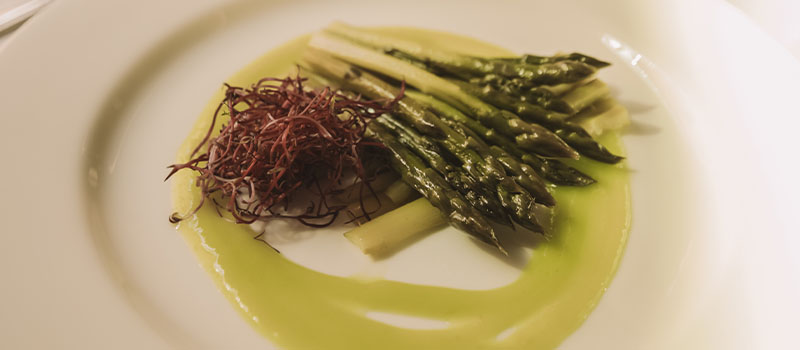
Food supplies the vitamins and other substances the skin needs to function normally. Vitamin C, for example, is found in citrus fruits, kiwis, strawberries and peppers. Vitamin E is present in almonds, hazelnuts, seeds and some vegetable oils. Carrots, tomatoes, leafy greens and other vegetables provide carotenoids and a variety of plant compounds.
Eating fruit and vegetables regularly helps meet the need for nutrients involved in the body's defences. This matters for the skin too, which needs an adequate supply of vitamins and protein to maintain its functions.
The available studies, however, do not make it possible to establish how many wrinkles can be prevented by eating more of any single food. The most reasonable choice is to follow a varied, balanced diet, avoiding the attribution of anti-ageing properties to one food alone.
Antioxidants can help protect cells from the damage caused by oxidative stress, one of the processes involved in skin ageing. Some of these substances are taken in through food, while others can be introduced through food supplements. Among Long Life Formula® supplements, Agecore Plus and Libencore Plus contain vitamin C, vitamin E and selenium, three nutrients that contribute to the protection of cells from oxidative stress. Coenzyme Q10 and other plant-based antioxidant substances are also present.
Another product, Skin Renewal Supplement, contains vitamin C, vitamin E, zinc, selenium and coenzyme Q10, together with other vitamins and substances involved in the normal function of the skin.
It is important to remember that the presence of these ingredients helps meet specific nutritional needs, but is not enough on its own to claim that supplements prevent wrinkles.
Preventing skin ageing starts above all with reducing the factors that damage the skin. Repeated exposure to ultraviolet rays is one of the main causes of photoageing.
• The American Academy of Dermatology guidelines recommend broad-spectrum sun protection, effective against UVA and UVB rays, with an SPF of 30 or higher.
• When spending time outdoors, it is important to apply an adequate amount of product and reapply it regularly, especially after swimming or heavy sweating. Hats, clothing and shade complete the protection.
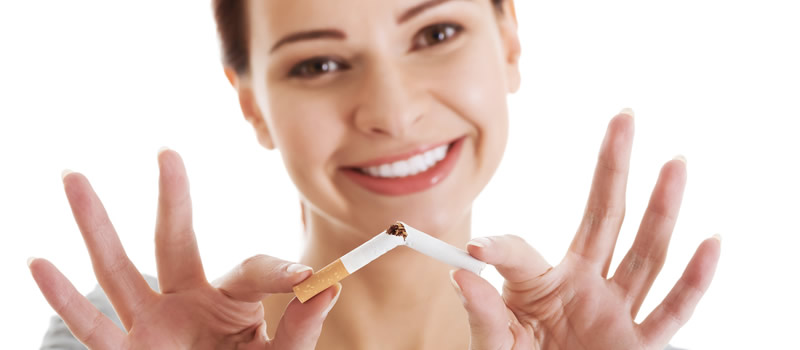
• Avoiding smoking, maintaining a good diet and using gentle cleansers and moisturisers suited to your skin type are also useful habits.
• Creams containing antioxidant ingredients can be included in the daily routine, when appropriate. The choice should take into account skin sensitivity and any dermatological conditions.
• The aim is to limit the damage that promotes premature ageing, while respecting the needs of the skin at different stages of life.
Oxidative stress contributes to the processes that damage collagen and other structures of the skin. It can therefore promote the appearance of wrinkles, especially with frequent and prolonged sun exposure.
Some products containing antioxidants can soften the appearance of superficial wrinkles. The available studies do not show that they can remove deep wrinkles or fully restore lost collagen.
Vitamin C is among the most studied antioxidants in cosmetics for photoageing. Some research shows improvements in fine lines and age spots, with results that depend on the formulation and the length of use.
Sun protection matters from childhood. For adults, adopting good habits can help limit future damage at any age, even when the first signs of skin ageing are already present.
A balanced diet supports the normal function of cells. To prevent photoageing, it is also essential to protect yourself from the sun and avoid smoking.
Vitamin C applied to the skin can contribute to antioxidant defences, but it does not offer the UV protection provided by a suitable sun product. The two functions are different.
Prolonged stress can affect several processes in the body, including the inflammatory response. Its specific contribution to the appearance of wrinkles is still being studied and varies from person to person.
It is advisable to consult a dermatologist if new spots appear or if an existing spot or mole changes shape, colour or size, or has irregular borders, in order to rule out malignant or precancerous lesions. Other signs that call for a clinical check include persistent itching, flaking that does not clear up with moisturising, wounds or lesions that do not heal within a few weeks, or widespread, prolonged redness of the skin.
Preventing skin ageing requires attention both to the health of the body and to daily skin care. This is the principle behind the Long Life Formula® scientific approach, developed by Lucia Magnani through the study of oxidative stress and cellular ageing processes.
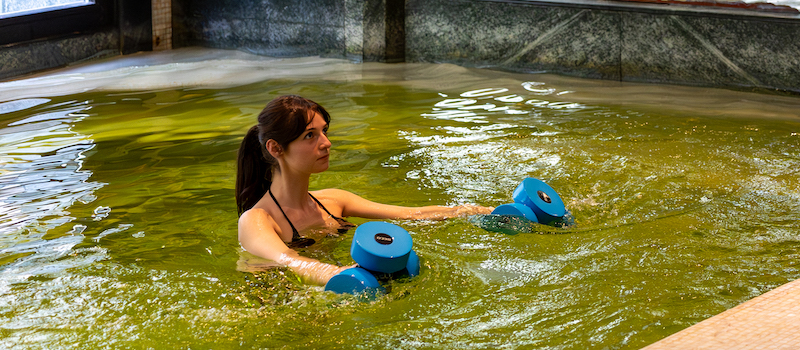
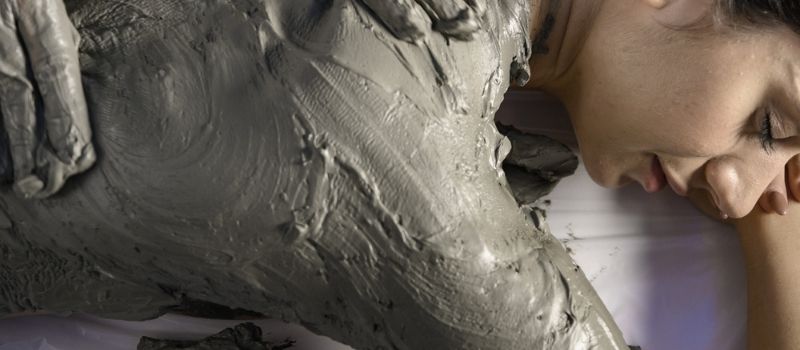
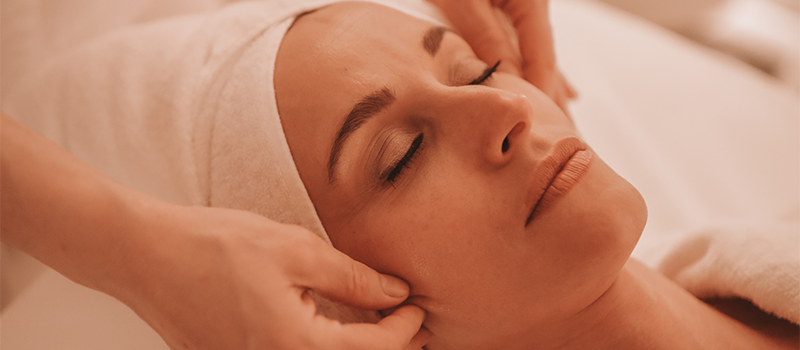
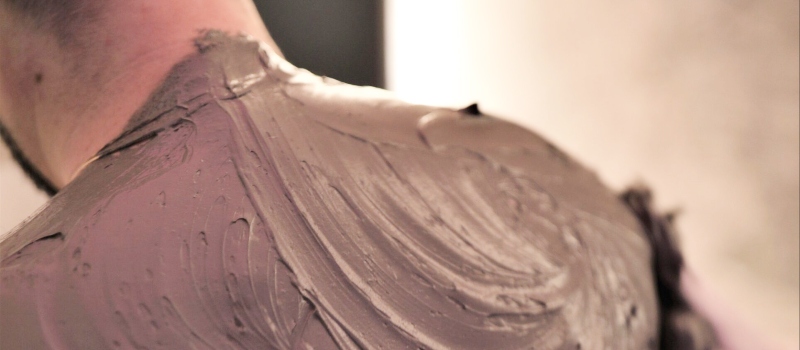
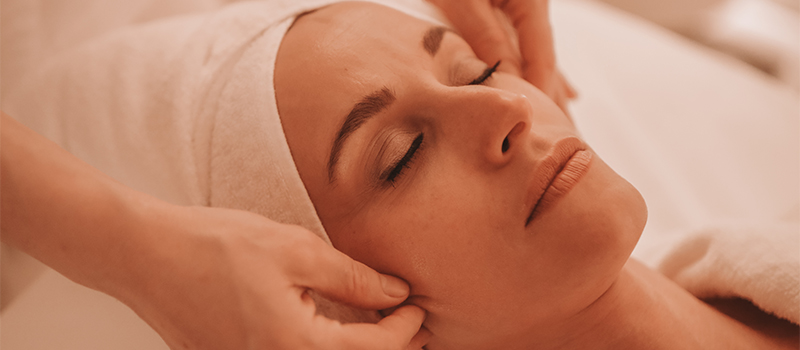
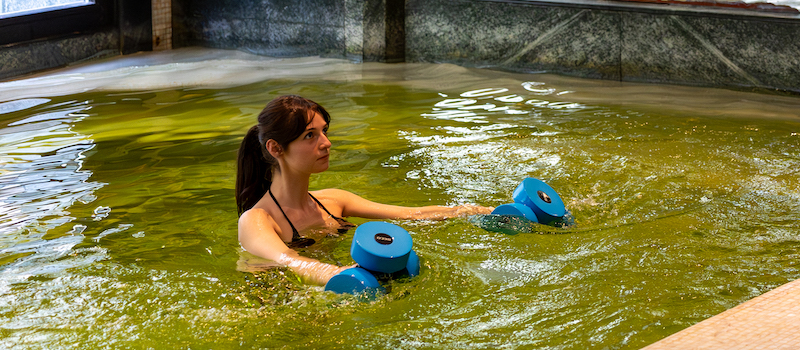
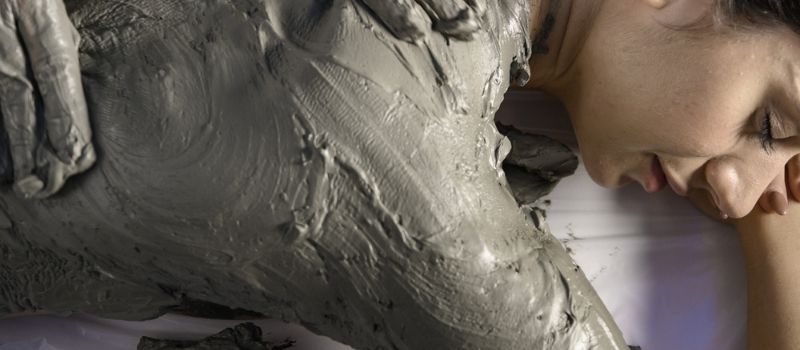
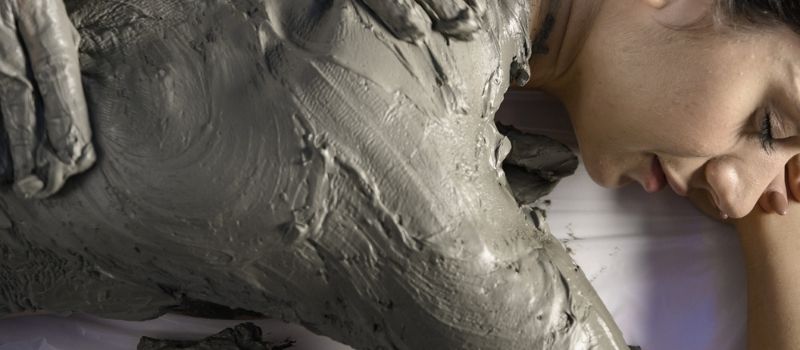
At the Lucia Magnani Health Clinic, the Evergreen programme is designed for those who wish to care for the health of their skin in order to maintain both inner and outer beauty. The programme includes oxidative stress analysis, medical assessments, nutrition education, personalised physical activity, a Beauty consultation and anti-ageing face and body treatments. A key part of the programme is also the use of the Lucia Magnani Skin Care ranges and of Long Life Formula® food supplements, made in our research laboratories. The programme is completed by aesthetic treatments and the thermal heritage of Castrocaro, with its mineral-rich waters and the thermal muds, used in treatments dedicated to the care and well-being of the body. Thermal water activities and access to the Health SPA are also part of the Evergreen experience.
To learn about the features of the programme, the tests involved and how it works, you can consult the Evergreen Long Life Formula® programme page.