Book your stay

After the age of 50 it is common, and entirely physiological, to start losing muscle mass, sometimes without even noticing. With age the body finds it harder to keep the muscles intact, especially with a sedentary lifestyle. When the loss of mass is accompanied by a drop in strength, sarcopenia can develop. Scientific studies show that strengthening exercises and an adequate diet help counter this process and slow it down. The Evergreen Long Life Formula® programme at Lucia Magnani Health Clinic devotes an important part of its schedule to this topic, combining medical assessments, nutrition and training.
Muscle mass, like the rest of the body, changes throughout life. It increases during growth, generally reaches its highest levels in early adulthood and then tends to decline over the years.
The reason lies in the way muscles work. Every day the body renews part of the proteins they are made of. With age this process becomes less efficient and the muscles respond less readily to the stimuli of food and movement. Researchers call this phenomenon anabolic resistance. Meanwhile, some muscle fibres shrink in size.
Hormonal changes also play a part. In women, the menopause brings a fall in oestrogens, hormones that help maintain muscle mass and strength. In men, the gradual decline in testosterone can contribute to the loss of strength.
A sedentary lifestyle often adds to these changes. People who spend many hours sitting down and make little use of their leg and arm muscles tend to lose strength more easily.
Sarcopenia is a condition marked by a reduction in muscle strength together with a loss of muscle quantity or quality. This is the definition adopted by the European consensus EWGSOP2, which identifies strength as the first parameter to assess.
It can make once simple movements tiring, such as climbing a flight of stairs, lifting a heavy object, getting up from a low armchair or walking for a long time. It is more common in older people but can also appear earlier in life. The speed at which it develops varies greatly from person to person.
The doctor may start with a short questionnaire, the SARC-F, which records the difficulties a person reports in everyday life. Strength is often measured with a dynamometer, which records grip strength, or with the chair stand test, which times how long it takes to rise from a chair five times without using the arms. Muscle quantity is estimated with specific tests, including bioelectrical impedance analysis.
Walking keeps the heart, lungs and circulation active. It also helps with weight control and good physical endurance. To protect muscle mass, however, the muscles need to work against adequate resistance. A daily walk should therefore be combined with exercises for the legs, arms and back.
The World Health Organization guidelines recommend that adults do muscle-strengthening activities involving all major muscle groups on at least two days a week. From the age of 65 they also recommend activity combining balance and strength on at least three days a week, to improve functional capacity and prevent falls.
With age, weaker legs can make it harder to react to an obstacle or regain stability after a sudden movement. Targeted exercises improve movement control and reduce the risk of falls. A 2019 Cochrane review based on 59 studies found that exercise reduces the rate of falls by 23% in older people living in the community.
• Leg exercises, such as sitting down and standing up from a chair or stepping up onto a step, which train the muscles used every day.
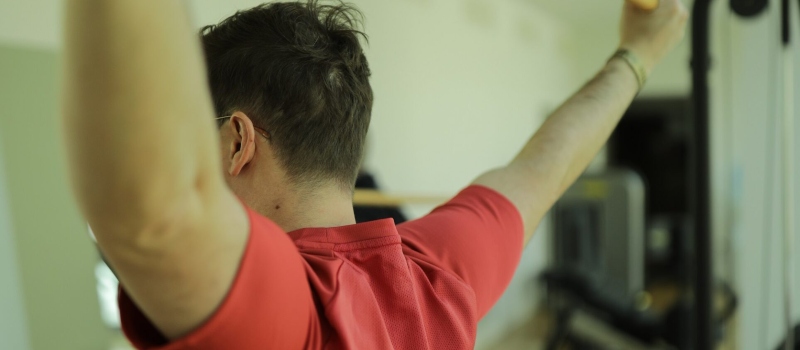
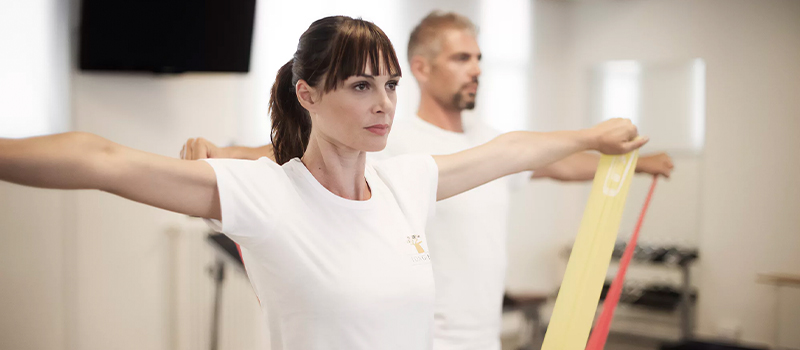
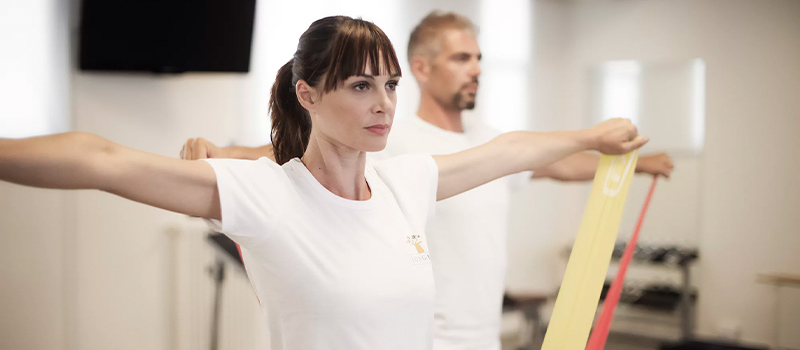
• Exercises with light weights or resistance bands for the arms, shoulders and back. The Long Life Formula® Fitness Band comes in four resistance levels, from 1 to 4 kg, and can be used at home or when travelling.
• Balance exercises, for example standing on one foot close to a stable support.
• A gradual increase in intensity, with exercises chosen according to age, fitness level and health conditions.
Movement also leaves its mark at molecular level, as explained in our article on epigenetics and physical activity.
To stay healthy, muscles need protein, the substances the body uses to build and repair tissues, muscle tissue included. Protein is found in meat, fish, eggs, milk, yoghurt, cheese and pulses.
As we get older, it is worth checking that the diet provides enough of it. The PROT-AGE expert group recommends that people over 65 have an average intake of at least 1.0 to 1.2 grams of protein per kilogram of body weight per day, higher than the amount advised for younger adults. People with severe kidney disease may instead need to limit protein, so the amount should always be agreed with a doctor.
A varied, balanced diet helps meet the need for protein and the other nutrients muscles require, without relying on any single food.
The total amount of food matters too. A very low-calorie diet followed to lose weight quickly can encourage muscle loss. A study published in the New England Journal of Medicine points out that in older adults with obesity, weight loss can accelerate the age-related loss of muscle and bone, and for this reason it assessed the combination of diet and exercise.
This is why, especially after 50, it is useful to assess body composition with tests such as bioelectrical impedance analysis and skinfold measurement when deciding to lose weight, so as to preserve as much muscle mass as possible.
For some people, their everyday diet is not enough to meet their needs for protein or other nutrients. This can happen, for example, when appetite decreases, when they eat little or during a period of convalescence.
In these cases the doctor or nutritionist may consider supplements. The ICFSR international guidelines suggest considering protein supplementation or a protein-rich diet for older adults with sarcopenia. For vitamin D, the same guidelines consider the evidence still insufficient to establish whether it is effective on its own, while noting that vitamin D deficiency is commonly associated with sarcopenia and lower grip strength.
Among Long Life Formula® supplements, Benart contains vitamin C, vitamin D3 and vitamin K2 together with boswellia and bamboo extracts, and is designed for joint well-being and support of the bone matrix. The choice of a supplement should be discussed with a doctor, because the benefits depend on individual conditions and on any deficiencies.
Among the processes studied to understand muscle ageing is oxidative stress. During normal activity, cells produce molecules called free radicals. When they exceed the body’s defence capacity, they can contribute to damaging cell structures.
Many researchers have examined the changes affecting mitochondria, the structures that produce the energy cells use, and the connections between nerves and muscles. A review published in the Journal of Physiology describes how reactive oxygen species and nerve-muscle interactions take part in regulating muscle proteins during ageing. These studies help us understand the biological processes behind sarcopenia, while their practical applications are still being researched.
Measuring oxidative stress is one of the steps of the Long Life Formula® Method.
Sarcopenia is more common in later life but can also appear earlier, especially with chronic disease, malnutrition or long periods of immobility.
Yes. Even after 60 and 70, strength can be improved with suitable exercise. International guidelines identify resistance training as an effective way to improve lean mass, strength and physical function in people with sarcopenia, especially when combined with a proper diet.
Growing difficulty climbing stairs, getting up from a chair or carrying objects may be signs of lost strength. Finding out how much muscle mass you have requires specific assessments, such as a grip strength test and bioelectrical impedance analysis.
Yes. Sarcopenia can also be present in people with a lot of body fat. The scientific societies ESPEN and EASO call this sarcopenic obesity, meaning the coexistence of excess fat and reduced muscle mass or function. This is why measuring weight alone is not enough.
The World Health Organization recommends muscle-strengthening exercise on at least two days a week and, after 65, activity combining balance and strength on at least three days. Exercises and intensity should be chosen according to age, fitness level and health conditions.
An adequate diet with enough protein helps maintain muscle health. Prevention, however, also requires regular physical activity, in particular strength exercises.
It is advisable to talk to a doctor if you notice falls, a feeling of weakness, a slower walking pace, difficulty rising from a chair or unintended loss of weight or muscle. According to the European consensus EWGSOP2, these are the signs that justify a specific assessment for sarcopenia. A check-up is also useful before starting intense training if you have heart or joint disease or other chronic conditions.
Loss of muscle mass is one of the age-related changes that can be addressed through prevention, monitoring of physical condition and healthy habits.
At the Lucia Magnani Health Clinic in Castrocaro Terme, the Evergreen programme of the Long Life Formula® Method, developed by Lucia Magnani, pays particular attention to muscle tone, physical fitness and the body’s ageing processes.
The programme includes oxidative stress analysis, a physiatric examination with assessment of the musculoskeletal system, measurement of fat mass and lean mass with bioimpedance analysis and a nutritional consultation with initial and final skinfold measurement, to define a diet suited to each person’s needs.
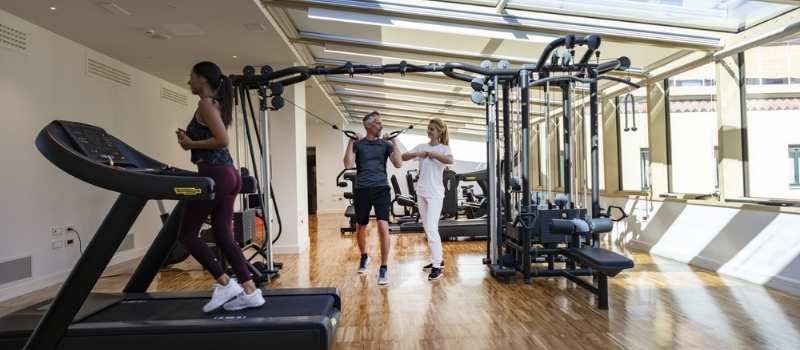
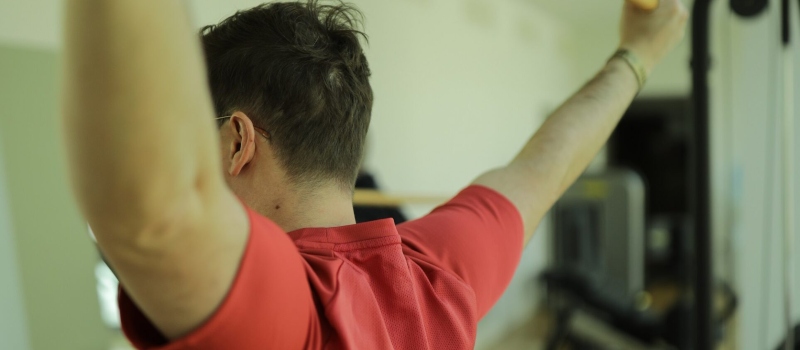
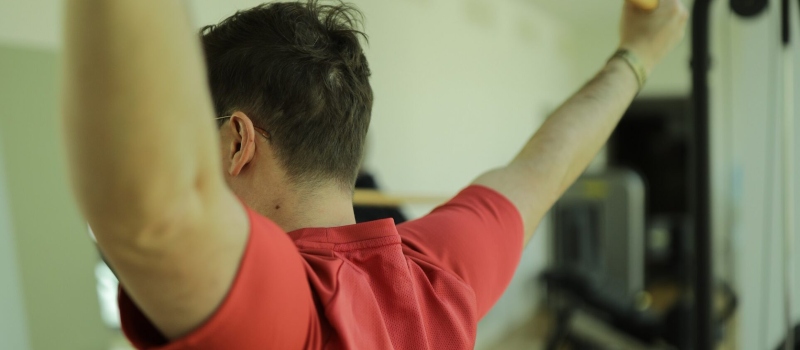
Physical activity plays an important role. There are two 30-minute sessions a day with a personal trainer, including postural and proprioceptive education, alternating between the Health Performance Training Center and thermal water classes. The programme also provides guidance on how to continue training and eating well after your stay, to bring what you have learned into everyday life.
A key part of the programme is also the use of the Lucia Magnani Skin Care ranges and of Long Life Formula® food supplements, made in our research laboratories.
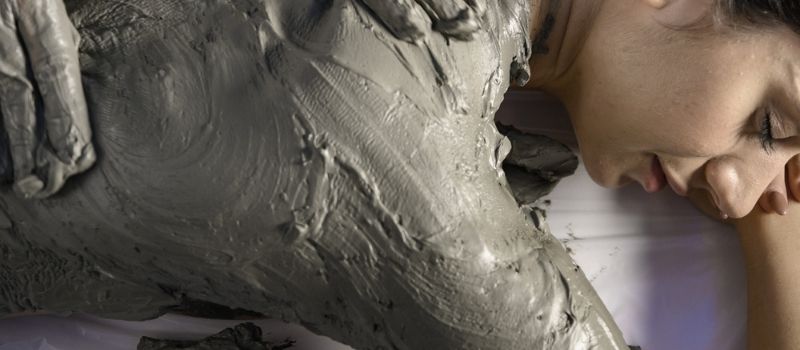
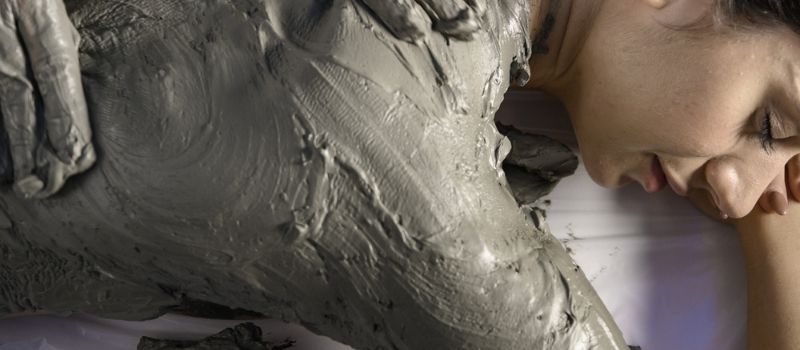
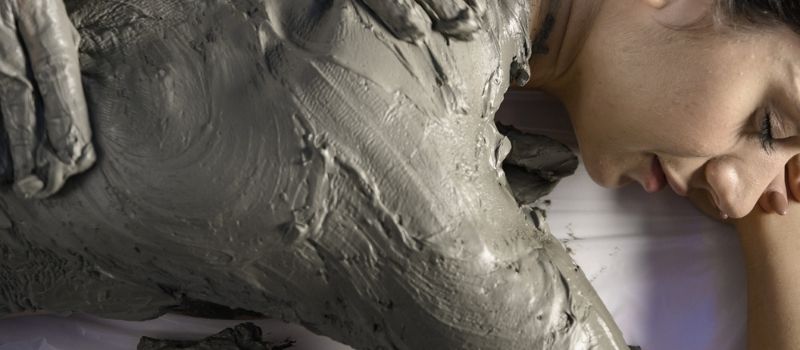
The programme is completed by body treatments and the thermal heritage of Castrocaro, with its mineral-rich waters and the thermal muds used for well-being. Daily access to the Health SPA is also part of the experience. Massages and thermal treatments accompany physical activity, with functions that differ from those of muscle training.
To learn about the medical assessments, physical activities and treatments included, you can consult the Evergreen Long Life Formula® programme page.